
 2026
2026
100th Forum
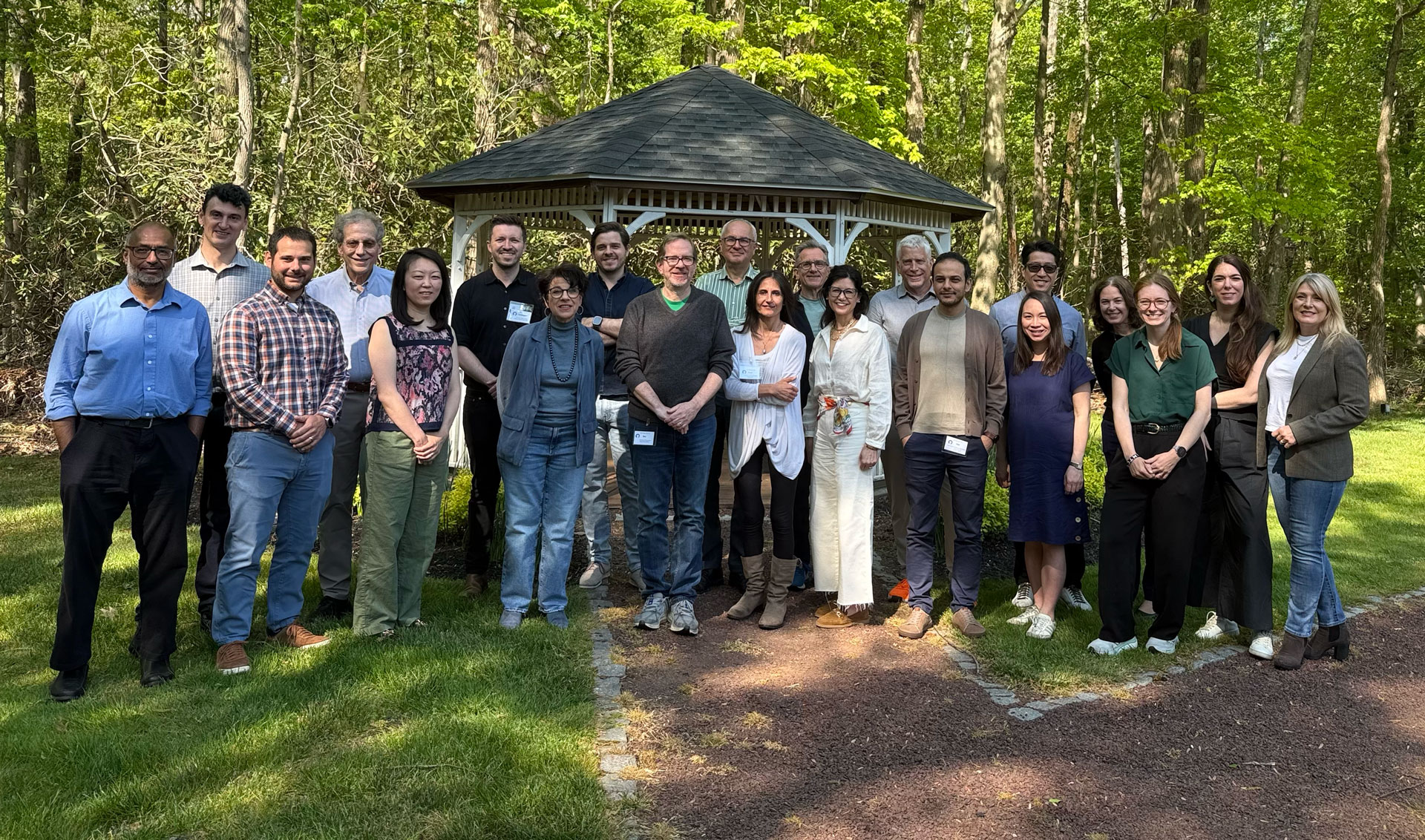
The Foundation hosts its 100th Forum
One hundred Forums in, and still built on the same idea: bringing cancer's leading thinkers together in one room.
Since its inception in 1985, the Forbeck Foundation has helped transform the way researchers communicate, accelerating progress in cancer treatment.
The story begins with one family, one loss, and a conviction that cancer's leading thinkers do their best work together, in one room. Four decades on, the milestones below trace where that conviction has led.
2026
One hundred Forums in, and still built on the same idea: bringing cancer's leading thinkers together in one room.
 2026
2026
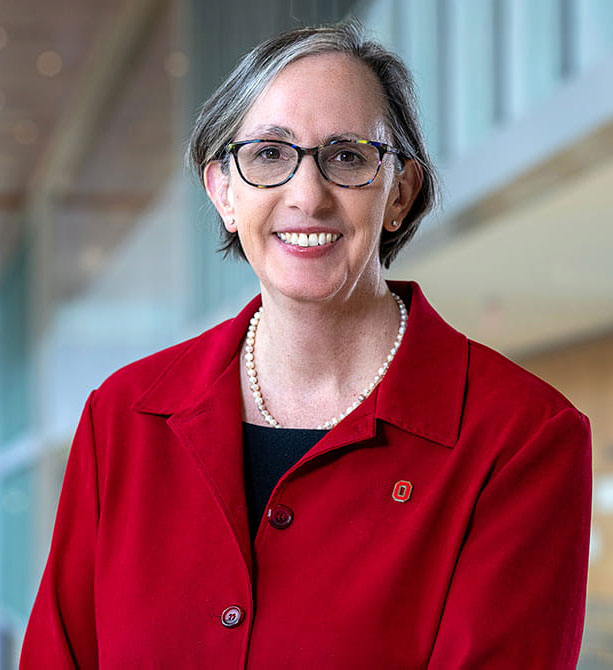
Rathmell becomes the second chair of the Scientific Advisory Board in the Foundation's history.
 2026
2026
The Foundation hosted it's 25th Scholar Retreat on May 3, 2026 in Lake Geneva, WI.
 2025
2025
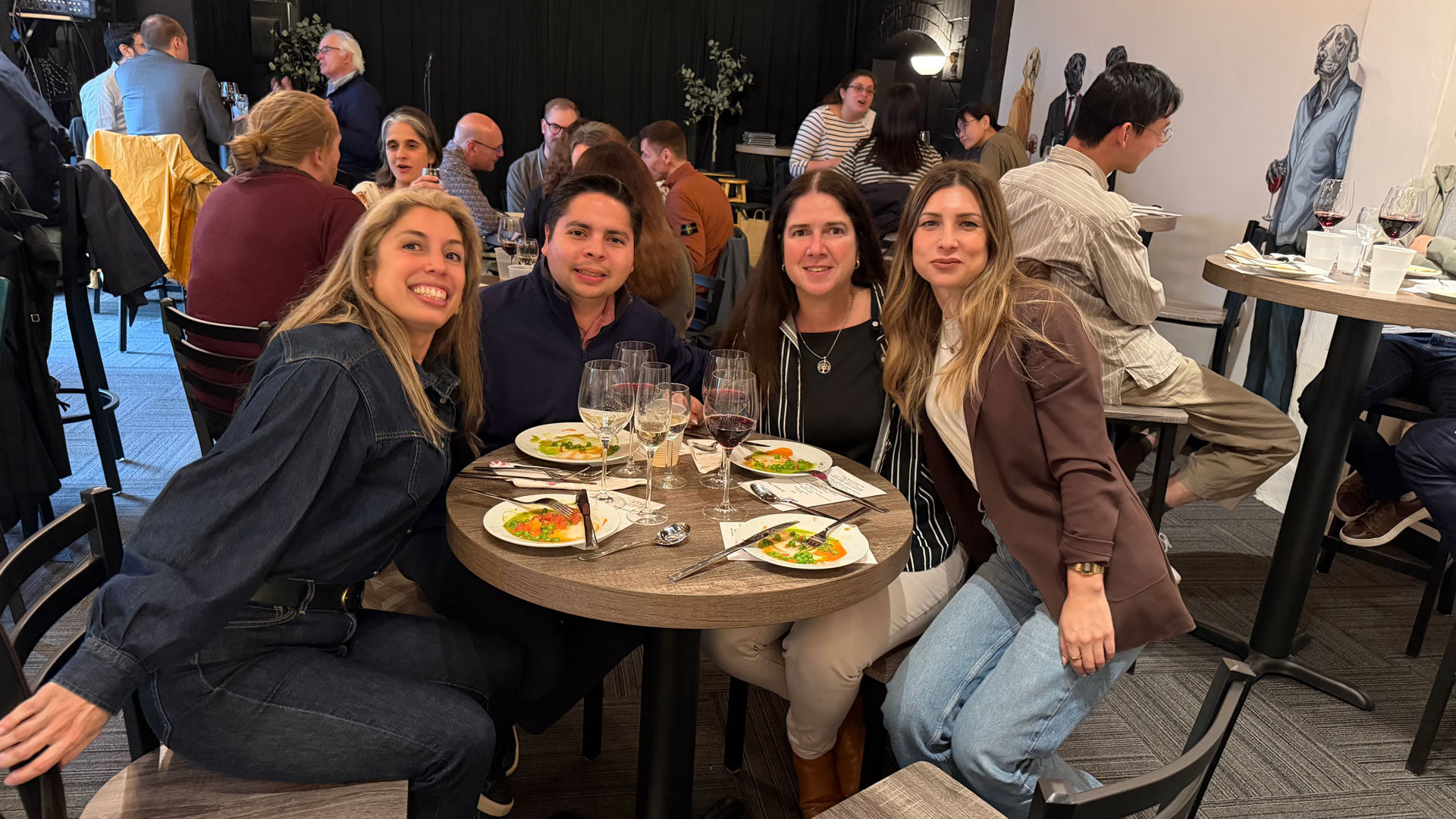
Another record year of Forums as we celebrate 40 years of Billy's legacy.
 2025
2025
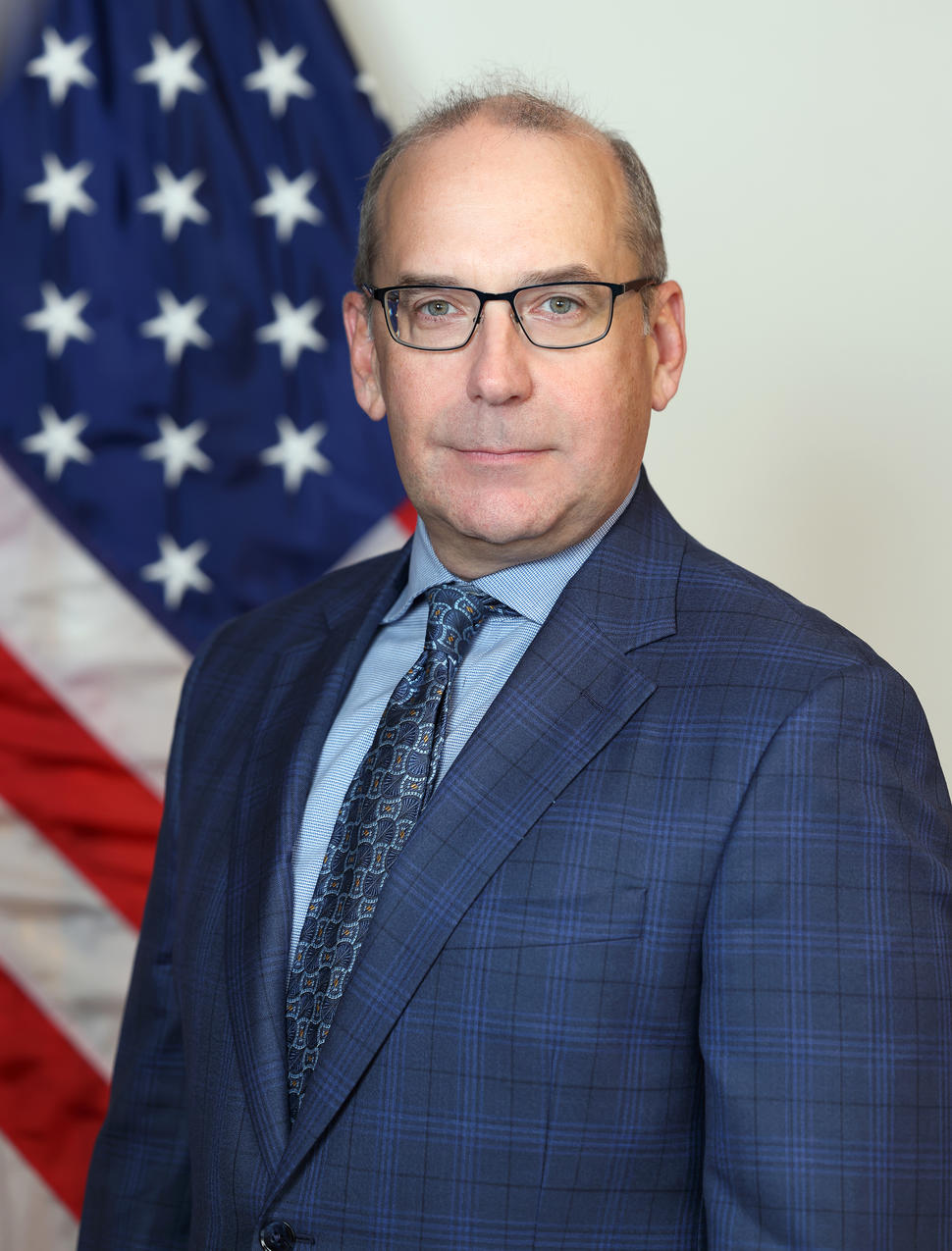
Anthony Letai becomes the third Forbeck Scholar appointed by the President of the United States to lead the National Cancer Institute.
 2024
2024
2007 Forum participant, Victor Ambros, is honored for the discovery of microRNA — work first convened at a Forbeck Forum.
2023
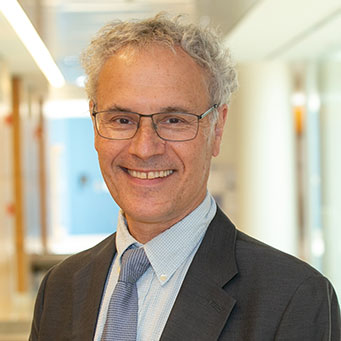
Rathmell becomes the second Forbeck Scholar appointed by the President of the United States to lead the National Cancer Institute.
 2023
2023
The Pediatric Cancer Data Commons is awarded the Presidential Open Science Recognition Challenge.
 2022
2022
A record year of Forums as programming surges past the pandemic.
 2020
2020
The Foundation adapts, sustaining collaboration through an unprecedented global pause.
 2019
2019
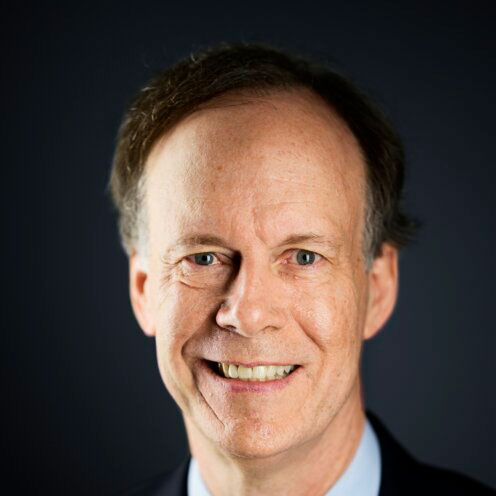
A Forum participant and mentor recognized for revealing how cells sense and adapt to oxygen.
 2019
2019
Nine breakthrough Forums convened across the year.
 2018
2018
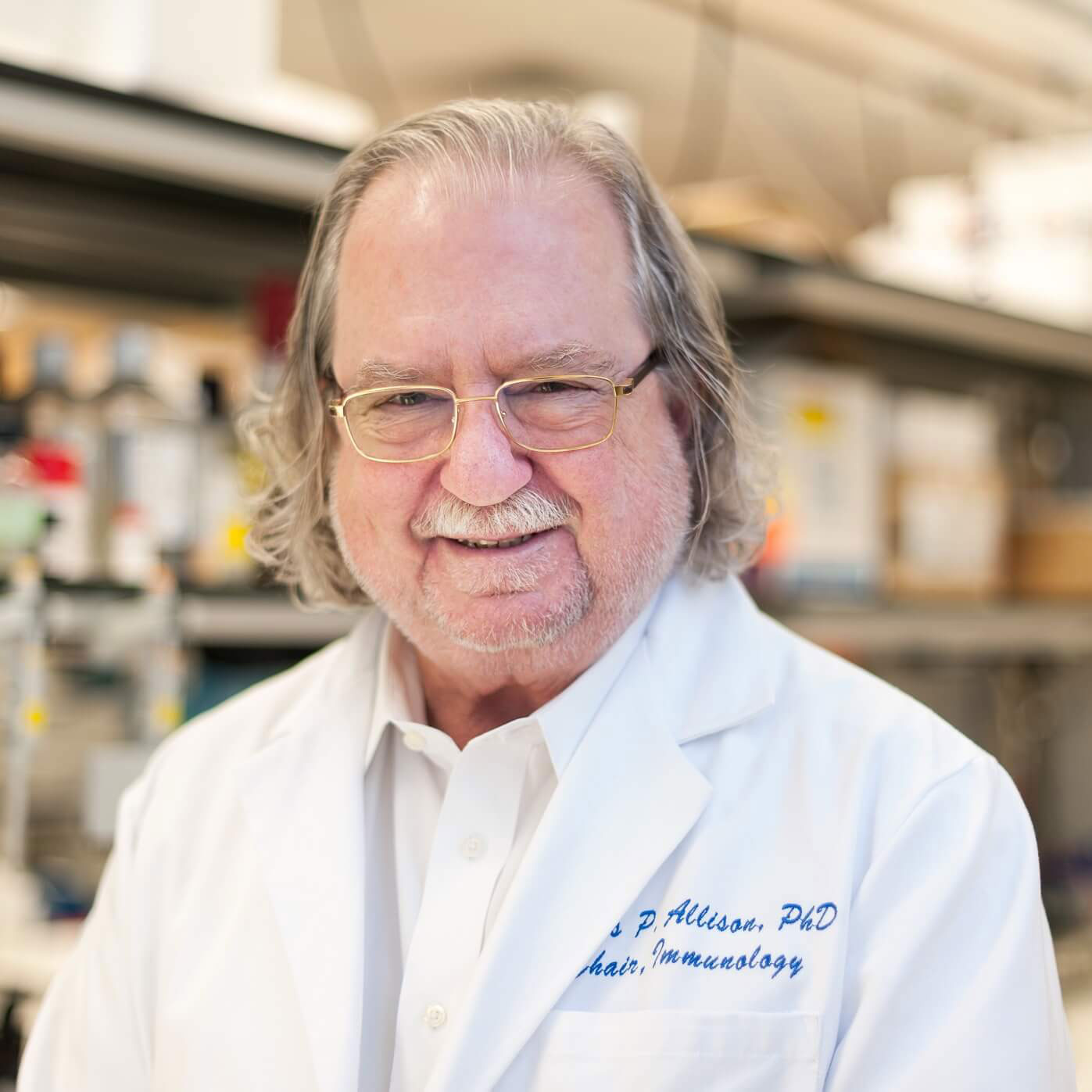
Chair of the 2008 Forum on Immunotherapy and Breaking Tolerance, honored for cancer immunotherapy.
 2017
2017
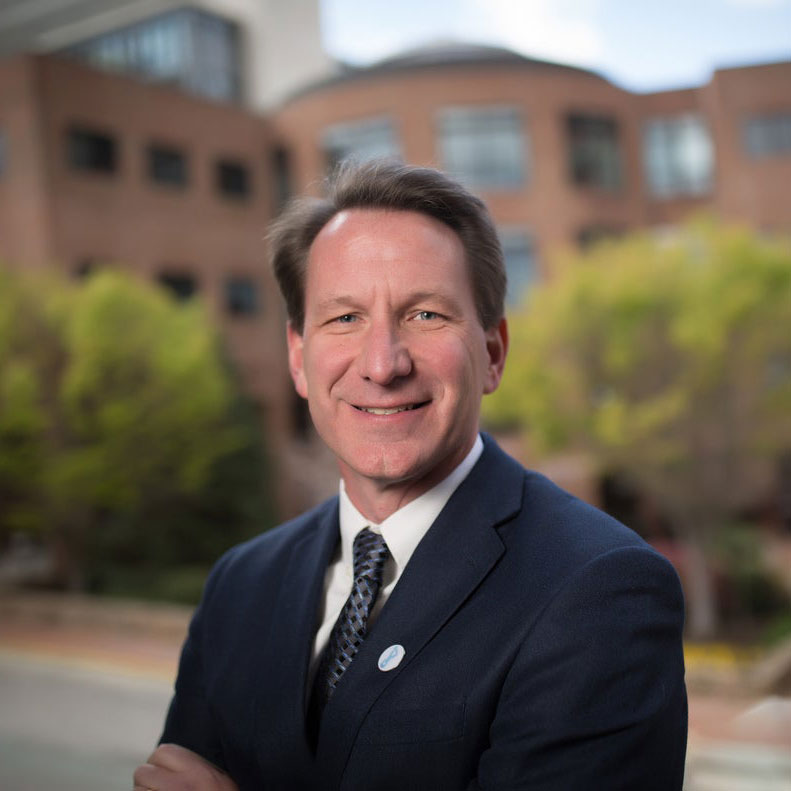
Sharpless is the first Forbeck Scholar appointed by the President of the United States to lead the National Cancer Institute.
2015
The Foundation begins directly funding collaborations between Scholars' laboratories.
 2014
2014
Built on the INRGdb, extending shared data infrastructure across childhood cancers.
 2012
2012
The Foundation helps launch the International Neuroblastoma Research Group database.
 2009
2009
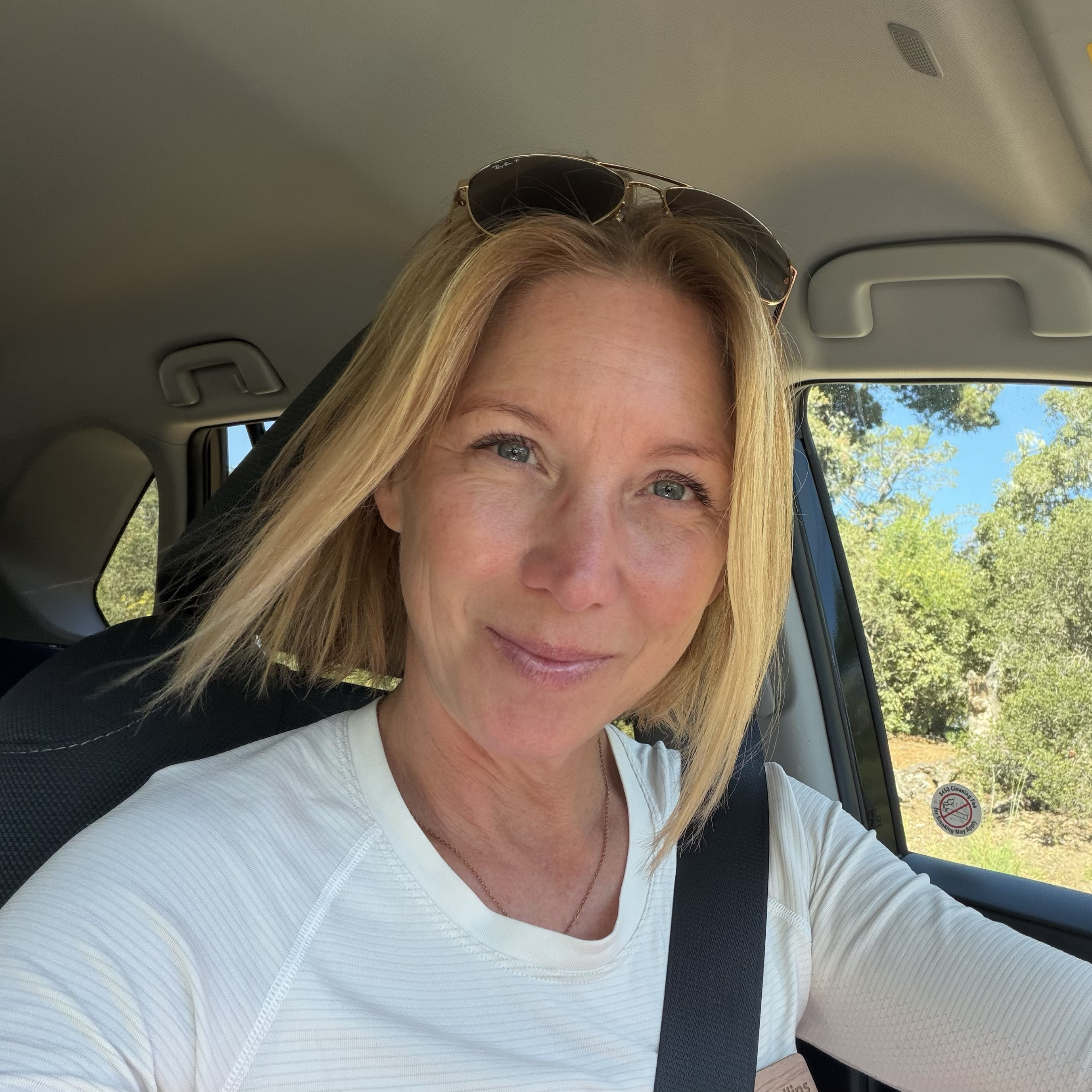
Collins becomes the second Executive Director of the Foundation taking over all roles and responsibilities from Jennifer Forbeck.
 2007
2007
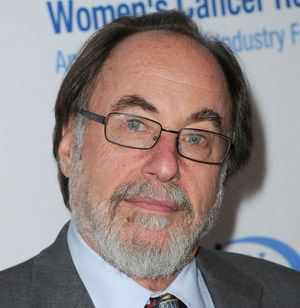
Baltimore won the 1975 Nobel Prize in Physiology or Medicine for discovering the enzyme reverse transcriptase.
 2005
2005
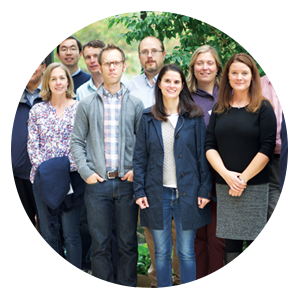
An annual gathering of Forbeck Scholars and senior mentors. Over three years, early-career researchers build cross-disciplinary collaborations and get candid guidance on the road ahead.
 2001
2001
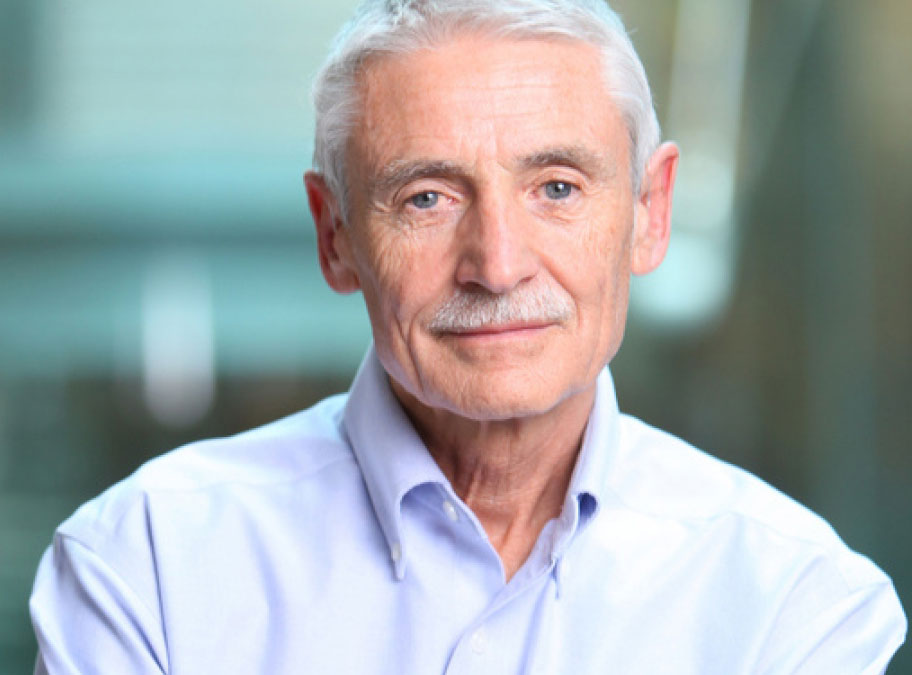
Chair of the 1994 Forum on Cell Cycle Checkpoints, honored for understanding how cells divide, grow, and repair themselves.
 1997
1997
Smaller, applicant-proposed meetings extend the Forbeck model to emerging topics and leaders.
 1989
1989
The Foundation begins honoring early-career oncologists nominated by their mentors as future leaders.
 1985
1985
The inaugural Forum on neuroblastoma produces the International Neuroblastoma Staging System — the first universally used measure of its kind.
 1984
1984
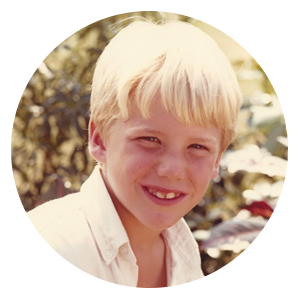
Jennifer and George Forbeck lost their ten-year-old son to neuroblastoma. His 13-month battle revealed a fatal gap in cancer treatment: the lack of global communication and data sharing among doctors and scientists. The Foundation was formed to close it — bringing cancer's leading thinkers together in one room.
 1983
1983
A rare and aggressive childhood cancer — the beginning of the story that became a 40-year mission.
Ideas first shared in a Forbeck Forum have become standards of care. Each began as an exchange between researchers — and is now a reality for patients.

The Forbeck Foundation celebrated its 30th Anniversary of scientific meetings this year. To mark the momentous occasion, the Board of Director’s and Scientific Advisory Board tripled the Foundation’s programming with the new Collaborative Research Program. Funding research projects will be based upon collaborations between two laboratories fellows/scholars/MDs in their early years of scientific development. At least one recipient of the funding must be a current or former Forbeck Scholar.

WGFRF commenced support of the Interactive INRG Database, an international repository of data on over 10,000 neuroblastoma patients (and growing). WGFRF is co-sponsoring this with St. Baldrick’s Foundation. The funding will support the evolution of the Database into a resource that links to other patient databases and is easily accessible online by scientists and clinicians worldwide, thereby facilitating research collaborations.
WGFRF engaged in Strategic Planning to assess its existing scientific programs and identify areas for new growth. WGFRF is committed to continuing and potentially expanding upon existing initiatives, and to develop new programs that would accelerate the identification of effective neuroblastoma drug therapies. A critical part of this will be spearheading a collaboration with other foundations and entities focused on neuroblastoma, with a goal of engaging biotechnology and pharmaceutical companies in this charge.

With the growth of the Scholar Award program, WGFRF began hosting the annual Scholar Retreat in Lake Geneva, WI. Scholars are invited to the Retreat annually for a term of four years to present and discuss their research, keeping the group at an intimate 16 Scholars per year. Three or four scientific leaders serve as mentors each year.

WGFRF offers Focus Meeting Awards to support small meetings that would follow a similar model to the annual Forbeck Forum, allowing applicants to propose topics addressed and participants attending. In 2010, the Foundation limited Focus Meeting Awards applicants to current or prior Forbeck Scholars, thereby creating a mechanism for cultivating the future leaders of oncology research.

Recognizing the importance of supporting the next generation of scientists, the Foundation began honoring oncologists in the early stages of their careers, thought by their mentor to represent a future leader in the field. The Forbeck Scholar receives an Award and an invitation to the Annual Forum. The success of the Scholar Award program led to its growth; today, four Forbeck Scholars are recognized per year.

The 1985 Forum focused on neuroblastoma and was followed by an international WGFRF-supported conference focused on establishing worldwide standards of terminology for neuroblastoma diagnosis. This resulted in the formation of the International Neuroblastoma Staging System and International Neuroblastoma Risk Group (INSS/INRG), an international initiative that generated the first universally used measures for monitoring neuroblastoma patients. WGFRF has funded a series of INSS/INRG conferences to this day, to further refine and update the criteria.

Billy’s parents, George and Jennifer Forbeck, established the William Guy Forbeck Research Foundation (WGFRF) in Billy’s memory. From the outset, an underlying principle of WGFRF was drawn from Billy’s hospital experience: to drive the exchange of ideas and cross-fertilization between scientific disciplines to advance the understanding of, and identification of effective treatments for, cancer.
The first cornerstone program of WGFRF, the Annual Forum was held in the fall in Hilton Head, SC, where twelve scientists met to focus on the subject of “Neuroblastoma.” The Forum was held in Hilton Head every year until 2016 when it moved to Lake Geneva, WI. Although the chairperson and topic changes each year, the format of a small interactive meeting has continued. WGFRF continues to emphasize discussion and exchange of new concepts, rather than presenting published research. The group is kept intentionally small, and past Forums have included the cream of international scientific cancer leaders. A rich experience for those that attend, numerous collaborations have resulted from the Forum series.

In October, ten-year-old William (Billy) Guy Forbeck was diagnosed with neuroblastoma, a rare childhood cancer that affects only 650 children a year. There is no cure for neuroblastoma, and it has a bleak prognosis. Billy began a thirteen month odyssey of visiting medical facilities and receiving experimental treatments, but unfortunately, he succumbed to neuroblastoma at age 11.